
What are the features of ventilation windows? Tips for choosing ventilation windows.
Release Date:
2020-07-07
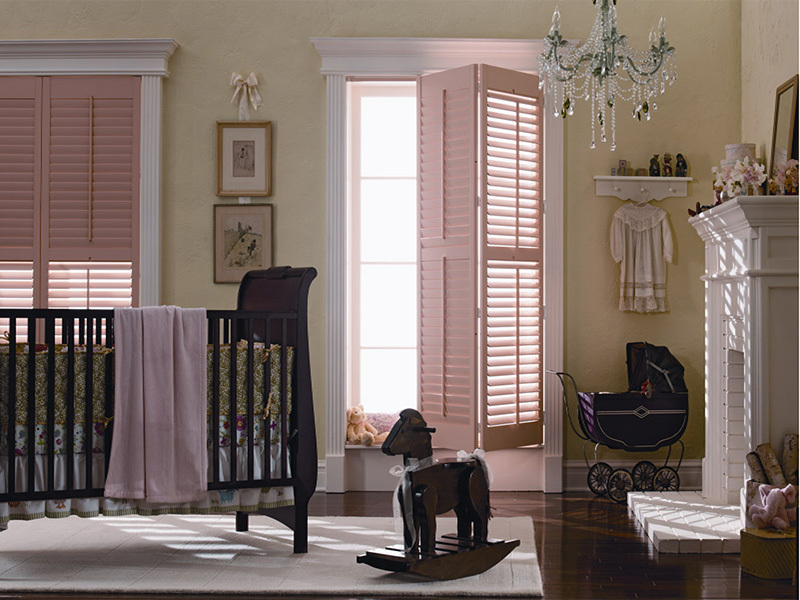
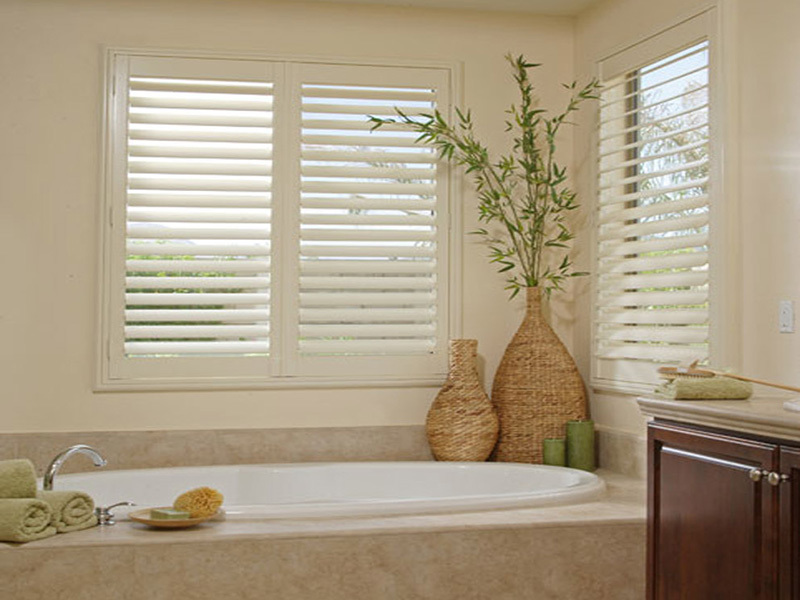
Breathable windows are quite similar to blinds in terms of design and decorative appeal—so much so that it can be hard to tell the difference. However, unlike blinds, they cannot be fully raised or lowered, which limits their versatility. Despite this, many people still choose breathable windows. Let’s explore their advantages and some tips for selecting the right one. 1. What Are the Advantages of Breathable Windows? The reason breathable windows resemble blinds so closely is that both feature a louvered structure and serve as window décor. Breathable windows, however, tend to be more robust, offering significant benefits in controlling light and enhancing indoor privacy. They also provide protection against harsh weather conditions, making them a rather high‑end option. Moreover, breathable windows boast excellent ventilation, with adjustable slats that allow you to fine‑tune airflow and lighting according to the weather. They also offer some sound insulation and UV protection, making them an energy‑efficient choice. Compared to blinds, breathable windows generally have a longer lifespan and greater durability, though they are heavier, less maneuverable, and come in somewhat limited sizes. There are three main tiers of breathable windows: premium models are highly functional, featuring dust‑proof, rain‑proof, and noise‑reducing capabilities, often crafted from higher‑quality materials, with prices typically ranging from 5,000 to 10,000 yuan. Mid‑range options offer a wider variety of styles at prices between 1,500 and 4,500 yuan, while basic models usually cost around 200–700 yuan and remain quite practical. 2. Tips for Choosing Breathable Windows Breathable windows add considerable decorative value to interiors and perform well in practical applications. When purchasing, keep these tips in mind: a) Check the tightness of the gaps between the frame and structural components, and assess how smoothly the window slides up and down. Low‑quality units may produce noise or feel sluggish during operation. b) Ensure the fixing rivets are made of solid pneumatic steel; ordinary rivets tend to have a shorter lifespan and are prone to loosening or falling off. c) Verify that the glass has passed the 3C safety certification, and evaluate the manufacturer’s expertise and the comprehensiveness of their after‑sales service. Reviewing construction case studies and user testimonials can also be very helpful, ensuring you select a high‑quality product. In summary, while breathable windows may not be as versatile as blinds, they are exceptionally sturdy and reliable, providing strong security and durability. With careful selection, they can be an excellent choice for your home.

In terms of design and decorative appeal, vented windows closely resemble Venetian blinds—so much so that it’s hard to spot any obvious differences. However, unlike blinds, they can’t be fully raised or lowered, which limits their versatility. So why do so many people still choose vented windows? Let’s explore their advantages and some tips for selecting the right one. 1. What are the benefits of vented windows? The reason vented windows look so similar to Venetian blinds is that they share the same basic structure: a louvered design used as window décor. Compared with blinds, vented windows tend to be more robust and offer significant advantages in controlling light and enhancing indoor privacy. They also provide protection against harsh weather, making them a rather high‑end option. Moreover, vented windows boast excellent ventilation, with adjustable slats that allow you to fine‑tune airflow and lighting according to the weather. They also offer some sound insulation and UV‑blocking properties, making them an energy‑efficient choice. In contrast to Venetian blinds, vented windows generally have a longer lifespan and greater durability, though they are heavier, less maneuverable, and come in somewhat limited sizes. Vented windows typically fall into three tiers. High‑end models are highly functional, offering features such as dust resistance, rain protection, and noise reduction; they’re made from premium materials and usually cost between 5,000 and 10,000 yuan. Mid‑range options provide a wider variety of styles and range from about 1,500 to 4,500 yuan, while standard models generally retail for around 200 to 700 yuan—still quite practical.
2. What are the tips for choosing a ventilation window? Ventilation windows can add considerable decorative appeal to our interiors and are quite practical as well. However, there are specific methods and techniques to consider when making your purchase:
a. When selecting a ventilation window, assess the tightness of the gaps between the profile and its structural components, and check how smoothly it slides up and down. Low‑quality ventilation windows tend to produce noise during operation and lack sufficient smoothness.
b. When selecting a ventilation window, also check whether its fixing rivets are made of solid pneumatic‑steel material; if ordinary rivets are used, the service life will be shorter and they are more likely to come loose.
c. Check the 3C safety certification of the glass used in the ventilation window, and also assess the manufacturer’s professionalism and the comprehensiveness of its after-sales service. Additionally, review the manufacturer’s installation case studies for ventilation window sashes—especially project‑level examples and user reviews and testimonials—as these will be very helpful. This approach will help you select a high‑quality ventilation window.
Editor’s Summary: The above provides an overview of the advantages of ventilation windows and tips for selecting them. While ventilation windows may not offer the same flexibility as blinds, they are exceptionally sturdy and stable, ensuring a high level of safety—so it’s important to choose carefully.
- All
- Product Management
- News and Information
- Introduction Content
- Corporate outlets
- Frequently Asked Questions
- Corporate Video
- Corporate Portfolio
More News



Contact Us
Factory Sales Office (Hailin City, Heilongjiang Province, China)
Primary Contact: Emma Wang
Phone:+86 18245361889
Phone:+86 (0453) 7328669
Email:emmawang0827@hlxcmy.com
Address: No. 1, Beiping Street, Mudanjiang City, Heilongjiang Province, China
Postal code: 157000
Sales Office (Dongguan, Guangdong)
Contact: Tiffany Chen
Phone:13929227905
Landline:+86 (0769) 38967001
Email:sales@hlxcmy.com
Address: Room 1719, Zhongxi Times Building, Nancheng District, Dongguan City
Postal code: 523000
Copyright © Xincheng Wood Industry Co., Ltd.
Website Development:Chinese Enterprises' Cross-Border ActivitiesHaHarbin